
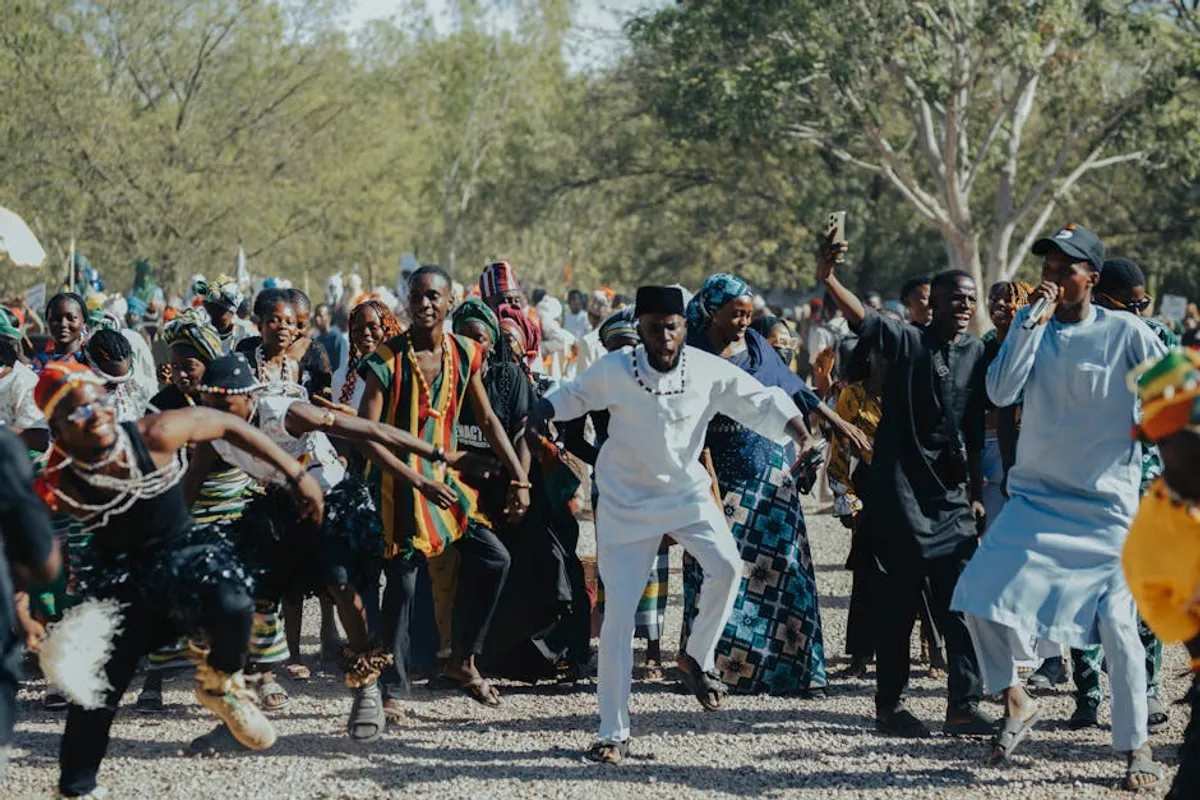
Understanding the annual rhythm of major cultural events is critical for any content strategist or marketer seeking to engage specific audiences. For businesses targeting or operating within African markets, or those aiming to reach the global African diaspora, a detailed grasp of African festivals offers significant opportunities for timely, relevant content creation and strategic campaign planning. These events are not merely local celebrations; they are pivotal cultural moments that generate substantial search interest, drive tourism, and influence consumer behavior around specific themes like music, art, food, and traditional practices. Integrating this knowledge into your content calendar allows for the development of highly targeted SEO strategies, culturally resonant social media campaigns, and product promotions that align with peak audience engagement periods, moving beyond generic seasonal trends to tap into authentic cultural touchpoints.
Annual Cadence of African Festivals
African festivals span a diverse range of themes, from ancient spiritual rites and harvest celebrations to contemporary music and film events. Their timing often aligns with agricultural cycles, religious calendars, or specific historical anniversaries. For marketers, this means identifying recurring patterns and anticipating periods of heightened interest. The timeline is rarely static; many traditional festivals follow lunar calendars, leading to slight variations in dates each year, which necessitates annual verification. However, larger, internationally recognized festivals often maintain consistent dates, making them reliable anchors for long-term content planning.
Seasonal Opportunities for Content Engagement
The continent's vast geography means festivals occur year-round, but distinct clusters emerge seasonally. For instance, the cooler, drier months often host more outdoor events, while specific harvest periods dictate agricultural celebrations. Recognizing these seasonal flows helps in scheduling content and campaigns effectively.
- Early Year (January-March): Often features music festivals and events tied to the end of harvest seasons in some regions.
- Mid-Year (April-June): Marks the beginning of new agricultural cycles in many areas, alongside significant religious observances.
- Late Summer (July-September): A period for major cultural and arts festivals, particularly in West and North Africa, often coinciding with school holidays.
- Autumn/Early Winter (October-December): Sees a resurgence of traditional festivals, harvest celebrations, and events leading up to the end of the year.
Key African Festivals and Their Commercial Resonance
Examining specific examples illustrates how these cultural events translate into actionable content and marketing opportunities.
Fête de Gnaoua et des Musiques du Monde (Essaouira, Morocco)
Timing: Typically late June.
Significance: This festival celebrates Gnaoua music, a spiritual and artistic tradition rooted in ancient African rituals, alongside world music genres. It draws hundreds of thousands of attendees, both local and international, transforming Essaouira into a vibrant cultural hub for several days.
Commercial Utility: For travel and tourism brands, this event presents peak season for content around "Essaouira travel guides," "Moroccan music festivals," and "cultural experiences in North Africa." E-commerce platforms can target keywords related to traditional Moroccan crafts, musical instruments, and fashion. Content around the history and spiritual aspects of Gnaoua music can capture long-tail informational search intent.
Cape Town International Jazz Festival (Cape Town, South Africa)
Timing: Usually late March or early April.
Significance: One of Africa's largest music events, featuring local and international jazz artists. It's a significant cultural and economic driver for Cape Town, attracting a diverse, affluent audience.
Commercial Utility: This festival is a prime target for luxury travel brands, hospitality services, and high-end fashion or lifestyle content. SEO efforts could focus on "Cape Town luxury hotels," "jazz festival travel packages," and "South African cultural events." Content can also explore the evolution of jazz in South Africa, offering historical and cultural context that appeals to a broader, evergreen audience.
Durbar Festival (Northern Nigeria)
Timing: Varies, often coincides with Eid al-Fitr and Eid al-Adha (Islamic holidays).
Significance: A centuries-old traditional equestrian festival celebrated by emirates in Northern Nigeria. It features parades of elaborately dressed horsemen, showcasing rich cultural heritage and royal traditions. It is a spectacle of color, music, and horsemanship.
Commercial Utility: While less globally commercialized than music festivals, Durbar offers unique content opportunities for cultural heritage tourism, documentary filmmaking, and academic research. Brands focusing on traditional textiles, equestrian gear, or historical African art can leverage this. Content could include "history of Nigerian emirates," "traditional African festivals," or "equestrian culture in West Africa." The visual richness of the festival provides strong material for visual content marketing.
Pro Tip: When developing content around African festivals, prioritize authenticity and cultural respect. Avoid generic or stereotypical representations. Collaborate with local experts or leverage primary sources to ensure accuracy, which builds trust with your audience and enhances the authority of your content. Superficial engagement can undermine credibility and alienate the very communities you aim to connect with.
Sauti za Busara (Zanzibar, Tanzania)
Timing: Annually in February.
Significance: This festival focuses exclusively on African music, promoting traditional and contemporary sounds from across the continent. Held in Stone Town, a UNESCO World Heritage site, it combines music with the unique Swahili culture of Zanzibar.
Commercial Utility: Ideal for music streaming platforms, cultural travel agencies, and brands selling African-inspired fashion or artisanal goods. Content can target "Zanzibar travel guide," "African music festivals," "Swahili culture," and "Stone Town attractions." The festival's commitment to African artists provides an angle for content promoting cultural pride and artistic diversity, appealing to audiences interested in ethical tourism and cultural exchange.
Strategic Content Planning for African Festivals
Integrating African festivals into your content strategy requires foresight and a nuanced understanding of cultural contexts. Begin by mapping out key festivals relevant to your niche for the upcoming year, noting their typical dates and themes. Develop content pillars around these events, ranging from informational articles and travel guides to product spotlights and cultural deep-dives. Optimize this content for relevant long-tail keywords, considering both global and local search intent. Implement a phased content release schedule, starting with awareness-building content months in advance, followed by more specific, actionable content closer to the event dates, and post-event recaps. This approach ensures maximum visibility and engagement throughout the festival cycle.
Frequently Asked Questions
How can businesses leverage African festivals for marketing?
Businesses can leverage African festivals by creating culturally sensitive content that aligns with festival themes, offering relevant products or services, and sponsoring events. This includes developing travel guides, promoting local artisans, or creating music playlists featuring festival artists. The key is to provide value and respect the cultural significance.
What are the key considerations for creating culturally sensitive content?
Culturally sensitive content requires thorough research, accurate representation, and often collaboration with local voices. Avoid stereotypes, ensure imagery is authentic, and understand the historical or spiritual significance of the festival. Focus on education and appreciation rather than appropriation.
Are there specific SEO benefits to targeting festival-related keywords?
Yes, targeting festival-related keywords offers significant SEO benefits, including capturing seasonal search demand, reaching niche audiences, and building authority in specific cultural or travel verticals. Long-tail keywords related to specific festival activities, artists, or locations can drive highly qualified traffic.
How do African festivals vary across the continent?
African festivals vary widely by region, reflecting the continent's immense cultural diversity. West African festivals often feature masquerades and elaborate ceremonies, North African festivals frequently incorporate Islamic traditions and Berber culture, East African events might emphasize music and coastal traditions, while Southern African festivals can range from ancient rites to contemporary arts celebrations. Each region offers distinct cultural expressions.