
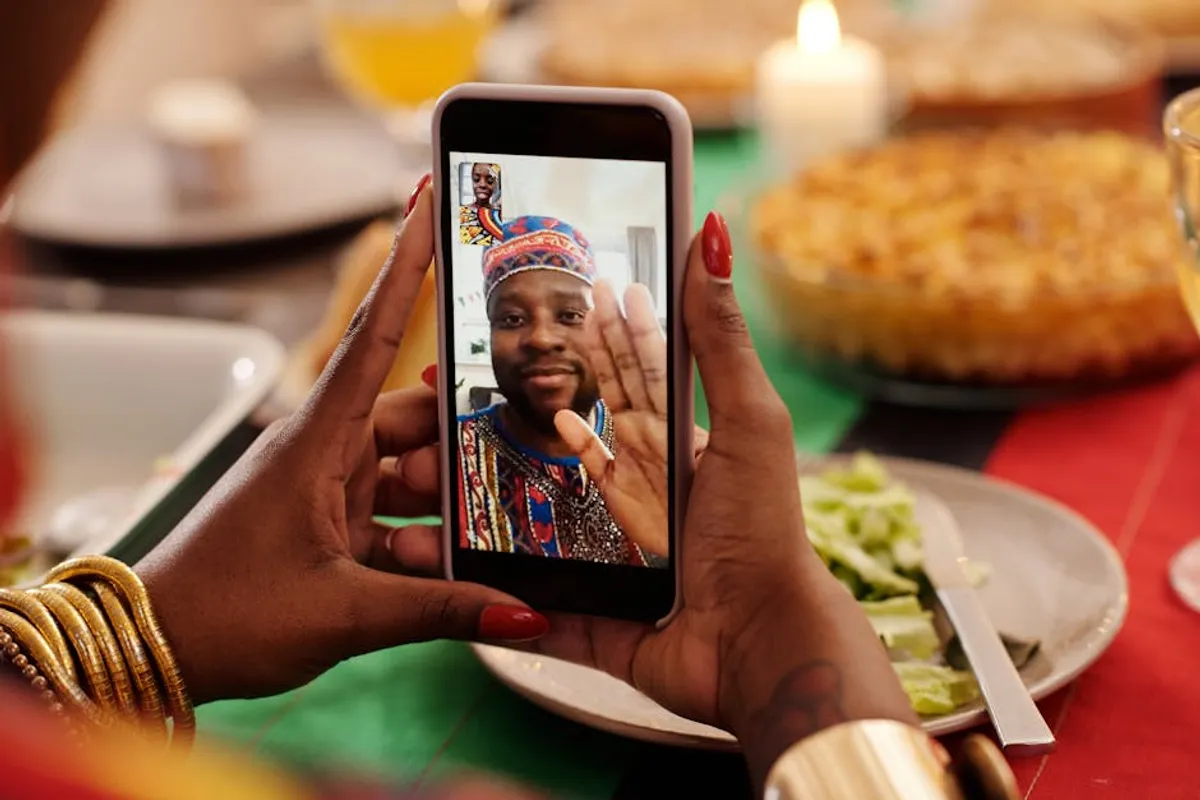
For publishers, marketers, and content strategists, understanding the landscape of African festivals presents a significant, often untapped, opportunity for audience engagement and commercial growth. These events are not merely cultural celebrations; they are focal points for search interest, travel planning, product consumption, and deep cultural exploration. Developing content around African festivals requires a strategic approach, moving beyond surface-level descriptions to address specific user intents—whether that's informational research, travel booking, or purchasing festival-related goods. This guide outlines how to identify, target, and produce valuable content that resonates with diverse audiences interested in Africa's vibrant cultural calendar.
Understanding the Landscape of African Festivals
Africa hosts a vast array of festivals, each with unique origins, traditions, and appeal. This diversity is crucial for content planning, as it dictates the specific keywords, audience demographics, and commercial angles available. From ancient religious rites to contemporary music extravaganzas, these events draw millions, creating distinct periods of heightened search activity and consumer interest. Recognizing the underlying cultural significance and specific timing of these festivals allows for targeted content development that captures relevant traffic efficiently.
Key Festival Categories and Their Commercial Relevance
Categorizing festivals helps in segmenting content opportunities and understanding the commercial intent behind user queries.
- Religious Festivals: These events, such as Ethiopia's Timkat (Epiphany), Nigeria's Eid al-Fitr, or Ghana's Fête de l'Assomption, are deeply spiritual and often involve specific attire, food, and pilgrimage.
Commercial relevance: Travel guides for pilgrims, cultural etiquette resources, traditional clothing retailers, local food insights, accommodation booking platforms, historical context for educational content.
- Cultural & Traditional Festivals: Events like Nigeria's Osun-Osogbo Festival, Namibia's Herero Day, or the Gerewol Festival in Chad celebrate heritage, art, and community. They often feature intricate ceremonies, traditional attire, and storytelling.
Commercial relevance: Photography tours, cultural immersion experiences, artisan craft sales, historical documentaries, fashion and textile commentary, local tour operators.
- Music & Arts Festivals: Modern and traditional music and art festivals, including the Cape Town International Jazz Festival in South Africa, Sauti za Busara in Zanzibar, or Fespaco (Pan-African Film and Television Festival of Ouagadougou) in Burkina Faso, attract broad audiences.
Commercial relevance: Event ticketing, travel packages, artist interviews, music reviews, festival gear (e.g., camping equipment, specific clothing), local food vendors, cultural tourism promotion.
- Harvest & Agricultural Festivals: Celebrations like Ghana's Homowo Festival or the New Yam Festival across West Africa mark agricultural cycles and community abundance. These often involve specific culinary traditions and communal gatherings.
Commercial relevance: Traditional recipe guides, agricultural insights, local food product promotion, community tourism, cultural exchange programs, historical foodways articles.
Identifying High-Value Content Opportunities
Effective content strategy begins with granular research into specific festivals. This involves analyzing search volume for festival names, related terms (e.g., "Timkat travel," "Osun-Osogbo dates," "Fespaco tickets"), and understanding the intent behind these queries. High-value opportunities often lie in underserved niches or in providing detailed, practical information that larger travel sites might overlook.
Pro Tip: Focus on evergreen content where possible. While festival dates change annually, the cultural significance, historical background, and general preparation advice often remain consistent. This allows content to generate traffic year-round, not just during peak festival periods, providing long-term SEO value.
Content Formats for Engagement and Monetization
The format of your content should align with the user's intent and the commercial objective.
- Tutorials and How-To Guides: "How to prepare for the Gerewol Festival," "Navigating transportation during Homowo," or "Understanding the dress code for Timkat." These address practical, pre-event planning needs.
- Listicles and Roundups: "Top 10 African music festivals for 2024," "Must-try foods at the New Yam Festival," or "Essential gear for African festival travel." These cater to discovery and planning phases.
- Deep Dives and Explanations: Articles detailing the historical origins, spiritual significance, or specific rituals of a festival. These appeal to audiences seeking in-depth knowledge and cultural understanding.
- Visual Content Spotlights: Photo essays, video guides, or short documentaries showcasing the vibrancy and unique aspects of festivals. These are highly shareable and can drive significant engagement, especially on visual platforms.
- Travel Itineraries and Local Guides: Curated travel plans that incorporate festival attendance, including recommendations for accommodation, transport, and nearby attractions. These directly support travel-related commercial goals.
Strategic Planning for Festival-Related Content
Successful content deployment around African festivals requires foresight and coordination.
Editorial Calendar Integration
Align content publication with festival timelines. Pre-festival content (e.g., "What to expect," "Travel guide") should launch several months in advance to capture early planners. During-festival content (e.g., live updates, photo galleries) capitalizes on real-time interest. Post-festival content (e.g., "Recap," "Impact analysis") can extend engagement and serve as evergreen resources for future attendees.
Audience Segmentation
Tailor content to different audience segments. A travel blogger's audience might seek practical tips and budget advice, while a cultural enthusiast's audience might prioritize historical context and ethical tourism practices. Businesses targeting specific demographics (e.g., luxury travelers, adventure seekers, academic researchers) should refine their content accordingly.
Partnership Potential
Explore collaborations with local festival organizers, tourism boards, travel agencies specializing in African destinations, or cultural institutions. These partnerships can provide unique access to information, exclusive content opportunities, and amplified distribution channels, enriching the content and expanding its reach.
Practical Content Implementation Steps
To maximize the impact of your African festival content, prioritize authenticity and utility. Research primary sources, engage with local communities where appropriate, and ensure cultural sensitivity in all portrayals. Focus on providing actionable information that helps users plan, understand, and appreciate these events. This approach not only builds authority but also fosters genuine audience connection, translating into sustained traffic and commercial success.
Frequently Asked Questions
What is the best way to find reliable information about African festivals?
Official tourism board websites, cultural heritage organizations, reputable academic sources, and direct contact with festival organizers are the most reliable sources. Cross-referencing information from multiple sources is crucial.
How can content about African festivals be monetized?
Monetization can occur through affiliate marketing for travel bookings and products, sponsored content partnerships with relevant brands, display advertising, selling digital guides, or promoting unique cultural tours.
What are the ethical considerations when creating content about traditional African festivals?
Prioritize cultural sensitivity, avoid misrepresentation or appropriation, seek permission for imagery where necessary, and ensure narratives respect local customs and traditions. Focus on educational and appreciative perspectives.
How far in advance should content for a specific festival be published?
For major festivals, content should ideally begin publishing 3-6 months in advance to capture early planners and those researching travel. Evergreen content can be published anytime, but specific event-based content benefits from early release.