
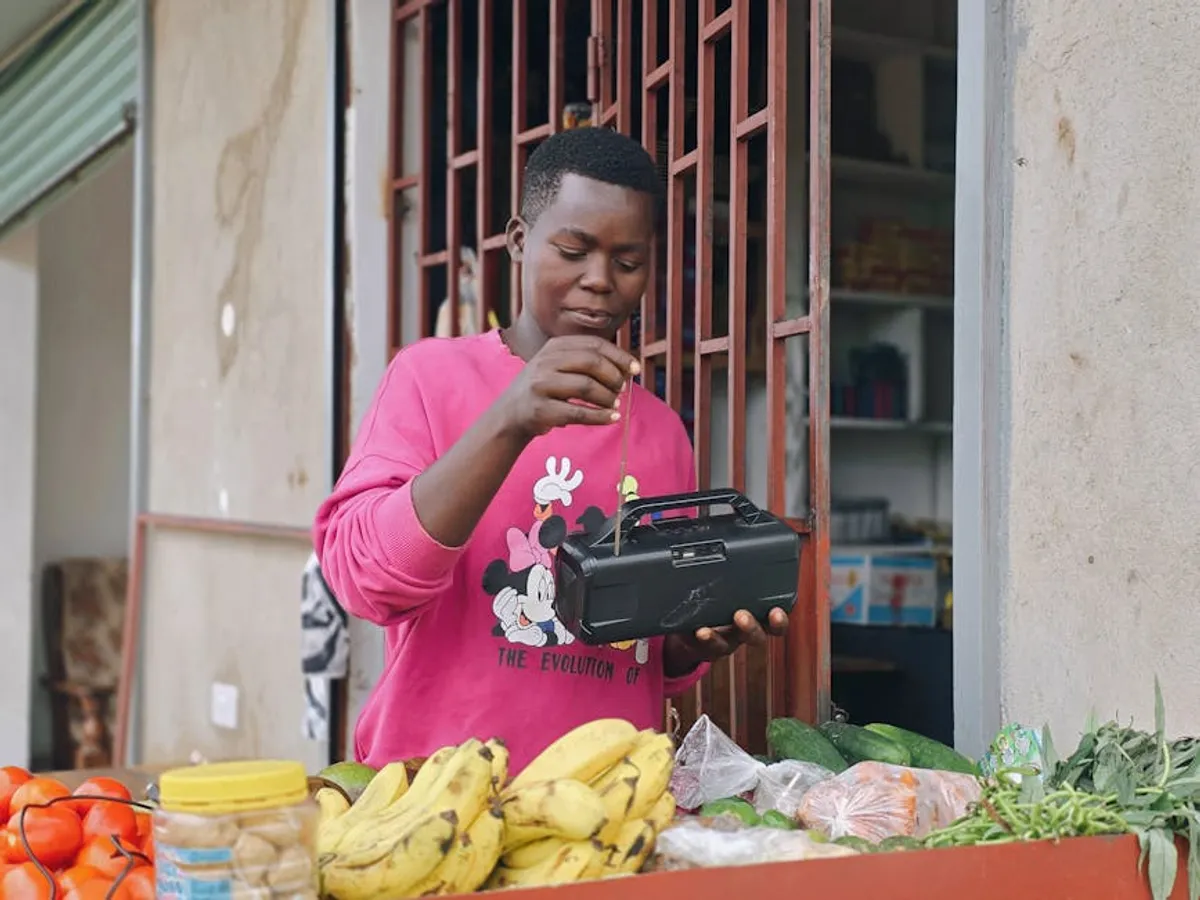
African food traditions represent more than culinary practices; they serve as a profound anchor for modern identity, both on the continent and throughout its global diaspora. Understanding this intricate relationship is critical for cultural preservation, commercial ventures, and effective communication strategies. This exploration delves into how historical culinary practices, indigenous ingredients, and communal eating rituals have evolved to shape contemporary self-perception, cultural expression, and economic opportunities in the food sector. This exploration delves into how historical culinary practices, indigenous ingredients, and communal eating rituals have evolved to shape contemporary self-perception, cultural expression, and economic opportunities in the food sector, illustrating how african culture shapes identity.
Historical Roots and Culinary Heritage
The foundation of African food traditions is deeply embedded in millennia of agricultural innovation, local ecosystems, and diverse cultural exchanges. Before colonial influences, sophisticated food systems thrived, characterized by indigenous grains like fonio and teff, root crops such as yams and cassava, and a wide array of legumes, fruits, and vegetables. These ingredients were not merely sustenance but were integral to social structures, spiritual practices, and medicinal knowledge.
Cooking methods were often communal and resource-efficient, emphasizing techniques like slow simmering, fermentation, and smoking. These practices fostered community bonds and ensured food security. The communal aspect of food preparation and consumption, often seen in shared platters and celebratory feasts, reinforced collective identity and intergenerational knowledge transfer. This heritage continues to inform modern African cuisine, even as it adapts to new contexts and ingredients introduced through trade and colonialism.
Food as a Pillar of Diaspora Identity
For the African diaspora, food traditions are a vital link to ancestral homelands and a powerful tool for cultural preservation and identity formation. When people migrate, food often becomes one of the most resilient cultural elements carried across borders. Dishes like Jollof Rice, injera, or various stews made with specific spices and techniques act as edible memories, connecting individuals to their heritage.
The adaptation of these traditions in new geographies has led to vibrant fusion cuisines, where traditional African flavors meld with local ingredients and culinary styles. This evolution is not a dilution but a dynamic expression of identity, reflecting both continuity and change. Food establishments run by diaspora communities often serve as cultural hubs, offering a taste of home while also introducing these traditions to wider audiences. This commercialization provides economic opportunities and strengthens cultural visibility.
Key aspects of diaspora food identity include:
- Preservation of recipes: Passing down traditional cooking methods and ingredient knowledge through generations.
- Ingredient sourcing: Establishing supply chains for traditional African ingredients in new regions.
- Culinary adaptation: Innovating with available local ingredients while maintaining core flavor profiles.
- Cultural celebration: Using food as a centerpiece for festivals, family gatherings, and community events.
Modern Expressions: Gastronomy, Entrepreneurship, and Media
In the contemporary landscape, African food traditions are experiencing a renaissance, moving beyond home kitchens into global culinary spotlights. This shift is driven by a growing appreciation for diverse flavors, a desire for authentic cultural experiences, and the entrepreneurial spirit of chefs and food business owners.
The rise of high-end African restaurants in major global cities, often helmed by chefs who blend traditional techniques with modern culinary artistry, exemplifies this trend. These establishments not only serve food but also tell stories, educating diners about the cultural significance behind each dish. Beyond fine dining, a robust ecosystem of food trucks, pop-ups, and specialty grocery stores dedicated to African ingredients is thriving, catering to diverse consumer bases.
Digital media plays a significant role in amplifying these traditions. Food blogs, YouTube channels, Instagram influencers, and dedicated cookbooks are making African cuisine more accessible and understandable to a global audience. This digital presence fosters a sense of community among enthusiasts and provides platforms for culinary education and cultural exchange. For brands and publishers, this represents a significant opportunity to engage with an audience actively seeking authentic cultural content and products.
Pro Tip: When engaging with African food traditions commercially, prioritize authenticity and cultural respect. Partner with local experts, chefs, and community leaders to ensure accurate representation of recipes, ingredients, and cultural narratives. Misrepresentation can undermine credibility and alienate the very communities whose heritage is being celebrated.
Challenges and Opportunities in Evolving Traditions
The evolution of African food traditions in the modern era presents both challenges and significant opportunities. One challenge lies in balancing the preservation of authenticity with the demands of innovation and commercialization. Maintaining the integrity of traditional recipes while adapting them for broader appeal or modern palates requires careful consideration.
Sustainability is another critical factor. Many traditional African food systems rely on indigenous, often organic, farming practices. As demand grows, ensuring these practices remain sustainable and that local producers benefit fairly is paramount. This involves supporting ethical sourcing, fair trade initiatives, and promoting biodiversity.
Educating new generations, both within Africa and in the diaspora, about the history, health benefits, and cultural significance of these foods is crucial for their continued relevance. This education can combat food deserts, promote healthier eating habits, and foster a deeper connection to heritage. Commercially, this translates into opportunities for educational content, culinary workshops, and product development that highlights the unique nutritional and cultural value of African ingredients.
Cultivating Culinary Connections
African food traditions are dynamic, living entities that continuously shape and reflect modern identity. Their journey from ancient agricultural practices to global culinary phenomena underscores their enduring power as cultural touchstones. For businesses, content creators, and cultural institutions, recognizing and respectfully engaging with these traditions offers avenues for authentic connection, economic growth, and meaningful cultural exchange. The ongoing narrative of African food is one of resilience, innovation, and a profound sense of belonging, continually inviting deeper exploration and appreciation.
Frequently Asked Questions
What defines "African food traditions"?
African food traditions encompass a vast array of culinary practices, ingredients, and cultural rituals originating from the diverse regions and ethnic groups across the African continent. They are characterized by indigenous ingredients, communal preparation, and deep cultural significance, varying widely by region.
How do these traditions influence modern identity?
They influence modern identity by serving as a primary link to heritage, fostering community bonds, preserving cultural memory, and providing a unique form of cultural expression. For the diaspora, food is a critical tool for maintaining connections to ancestral lands and affirming cultural distinctiveness.
Are African food traditions gaining global recognition?
Yes, African food traditions are increasingly gaining global recognition through the rise of African restaurants, culinary media, food festivals, and chefs who are elevating and innovating traditional dishes. This growing interest is driven by a desire for diverse flavors and authentic cultural experiences.
What are the commercial opportunities related to African food?
Commercial opportunities include specialty food imports, African-themed restaurants and catering, culinary tourism, development of African-inspired food products, and digital content creation (cookbooks, blogs, cooking shows) that educates and promotes these traditions.