
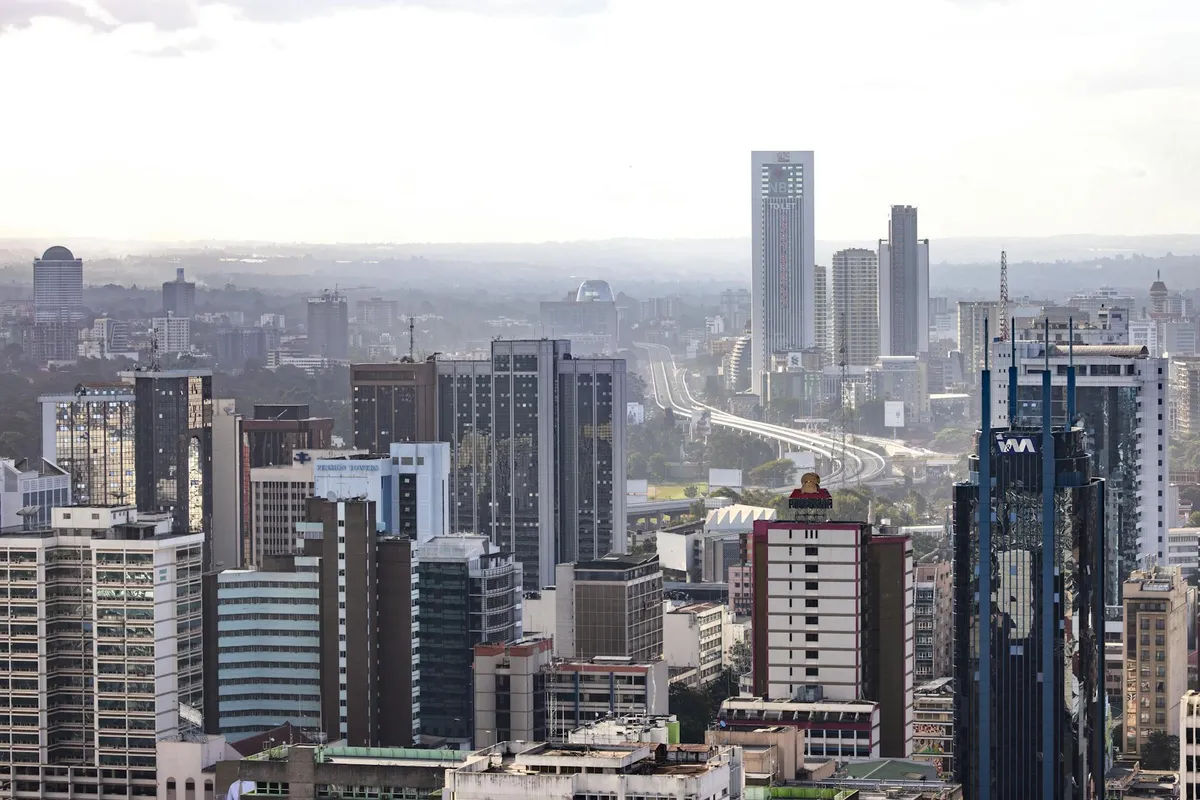
The cultural geography of the continent is not evenly distributed. Cultural production — music, cinema, fashion, design, publishing, the broader creative economy — concentrates in specific cities, and the cities that dominate continental cultural production at any given moment shift over time as infrastructure and economics shift.
Right now, in 2026, the cultural map of the continent is dominated by a handful of cities that are doing disproportionate work in shaping what continental culture means. Here are five that matter most. Numbered. Each entry includes a note on what the city is contributing and why it matters specifically right now.
1. Lagos — the dominant force in West African cultural production at scale
Lagos is the largest city in Africa by most measures and the dominant force in West African cultural production by every measure that matters. The Afrobeats production infrastructure is concentrated here. The Nollywood production capacity is largest here. The fashion industry that is restructuring African design globally is concentrated here. The publishing scene that produces some of the most internationally recognized African fiction is here.
The case for Lagos as the most important cultural city on the continent right now is strong. The case against it is the same case against any single city dominating continental culture — the concentration is bad for the broader continental ecosystem and tends to suck talent and attention away from secondary cities that would otherwise develop more capacity.
The reality is that Lagos is currently dominant and the dominance is durable. The infrastructure that supports the cultural economy here — the studios, the post-production houses, the brand consultancies, the distribution channels — has become deep enough that artists from across West Africa relocate to Lagos to access it. That pattern is unlikely to reverse soon.
2. Johannesburg — the South African cultural engine that the international press chronically underestimates
Johannesburg is the cultural engine of South Africa and one of the most important cultural cities on the continent, despite chronic international underestimation. The Amapiano scene is centered here. The South African house music tradition that produces global club music is centered here. The visual art scene that has produced the most internationally significant African artists of the past two decades is centered here.
The international coverage problem with Johannesburg is partly that the South African creative economy is internally diverse enough that no single category gets simple discovery framing. The visual art scene has its own audience. The music scene has its own audience. The fashion scene has its own audience. None of them benefit from the kind of breakthrough discovery coverage that drives a lot of African cultural press.
The cumulative cultural weight of Johannesburg, however, is enormous. The infrastructure that supports the cultural economy here has been building for decades. The international press will eventually catch up to the continental reality.
3. Accra — the city that is quietly building one of the most interesting cultural ecosystems on the continent
Accra over the past decade has built a cultural ecosystem that is significantly more sophisticated than the international coverage suggests. The Ghanaian fashion scene operating out of Accra has produced designers who are restructuring how African textiles are positioned in global luxury markets. The contemporary art scene has built gallery infrastructure and international relationships at a pace that has surprised the broader continental art world.
The Accra music scene has been quieter than Lagos for the past decade but is currently producing some of the most interesting genre-bending work in West Africa. The cumulative effect is that Accra has become a serious second cultural capital of West Africa with a distinct character from Lagos.
The infrastructure that supports the Accra cultural economy is still developing. The trajectory suggests Accra will be measurably more important to continental culture in five years than it is now.
4. Nairobi — the East African cultural hub that has built the strongest creative-economy infrastructure outside southern and West Africa
Nairobi has built the strongest creative-economy infrastructure in East Africa and one of the strongest on the continent overall. The film and television production capacity is significant. The technology scene that intersects with creative production is the largest in East Africa. The fashion scene has built sustained international relationships. The publishing scene has produced some of the most internationally recognized contemporary African fiction.
The Nairobi advantage is partly historical and partly geographic. The historical advantage is that Nairobi has been a creative-economy hub since the colonial period and the infrastructure that resulted is deep. The geographic advantage is that Nairobi sits at the natural crossroads for East African cultural traffic in a way no other city does.
The next decade probably will see Nairobi become more important rather than less important to continental culture as the East African creative economy matures.
5. Dakar — the city that has become the cultural capital of Francophone Africa and is genuinely building global cultural infrastructure
Dakar has emerged over the past decade as the cultural capital of Francophone Africa and one of the most interesting cultural cities globally. The contemporary art biennale has built international scholarly attention. The Senegalese cinema tradition has continued producing rigorous work. The fashion scene has built relationships with global luxury houses that no other Francophone African city has matched.
The interesting thing about Dakar is that the city has positioned itself culturally in ways that other African cities have not attempted. The combination of historical Pan-African political identity and contemporary cultural infrastructure has made Dakar a distinctive site for continental cultural conversations.
The Francophone connection means that Dakar's cultural reach extends across West Africa in ways that an anglophone city would not match. The combination is unusual and probably unrepeatable, and it makes Dakar uniquely important to the broader continental cultural ecosystem.
What is missing from this list and why
This is a five-city list and the continent has fifty-four countries. Cities that did not make the list but matter substantially include Kigali, which has built creative-economy infrastructure faster than any other African city of comparable size; Cape Town, which is internationally important but plays a different role from Johannesburg in the South African cultural ecosystem; Cairo, which is the dominant North African cultural city by every measure but operates in a different cultural ecosystem from Sub-Saharan Africa; and Addis Ababa, which has been producing serious cultural work despite the very difficult recent national context.
Each of these cities deserves its own analysis. The five above are the cities whose cultural production is currently most influential across the broader continent, but the continental cultural geography is rich and changing, and the relative weight of cities will continue to shift over the next decade.
The pattern that the next decade probably will produce is more cultural concentration in the existing capitals and faster development of secondary cities that build infrastructure deliberately. The continent is not short of talent. The infrastructure that lets talent reach audiences is the rate-limiting variable, and the cities that build the infrastructure best will continue to dominate.