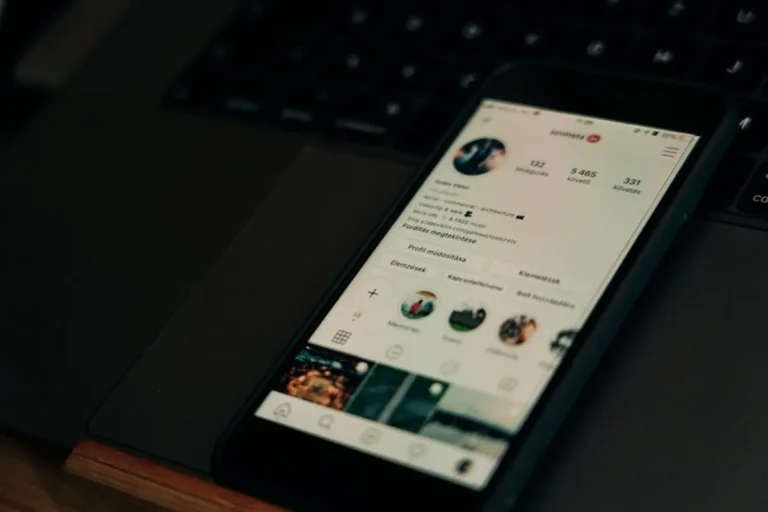

For Instagram users, especially those in niche communities like cycling, the single clickable link in a profile bio represents a critical portal. This "link in bio" mechanism, often generically referred to as a "bike bio for Instagram" when tailored to the cycling community, serves as a central hub for directing followers to diverse content: Strava profiles, YouTube ride videos, gear reviews, affiliate product links, event registrations, or personal blogs. Its primary function is to bypass Instagram's inherent limitation of not allowing clickable links within post captions, consolidating multiple destinations into one accessible point.
The core concept involves setting up a micro-landing page populated with various links, then placing that page's URL in the Instagram bio. When followers click, they land on this curated page, choosing their next destination. This setup is crucial for content creators, brands, and enthusiasts who need to guide their audience efficiently across their digital ecosystem. However, not all "link in bio" solutions are created equal. Many basic or free options come with inherent limitations in terms of branding, analytics, customization, or even data privacy, which can impact user experience and long-term strategic goals. Opting for a more robust and "safer" alternative means securing better control over your brand's digital presence, enhancing user trust, and gaining actionable insights into audience engagement.
What a "Bike Bio for Instagram" Is and How It Works
A "bike bio for Instagram," in practical terms, is a specialized application of a "link in bio" tool, specifically curated for the cycling community. It's a single, custom URL placed in an Instagram profile's bio section that, when clicked, directs users to a mobile-optimized landing page. On this page, the user can present a compilation of relevant links. For a cyclist, this might include:
- Direct links to recent Strava activities or segments.
- YouTube channels featuring ride vlogs or training tips.
- Affiliate links for cycling gear or nutrition products.
- Personal blogs detailing routes, bike builds, or race reports.
- Sign-up pages for newsletters or community events.
- Links to other social media profiles (e.g., TikTok, Facebook groups).
- Portfolios of cycling photography or videography.
The mechanism is straightforward: a user signs up for a "link in bio" service, customizes their micro-landing page by adding desired links and branding elements (colors, profile picture), and then copies the unique URL generated by the service. This URL is then pasted into the 'Website' field of their Instagram profile. When followers tap this link, they are seamlessly transported to the personalized hub, allowing them to explore the creator's full range of content beyond Instagram's confines.
Why Consider Safer Alternatives
While basic "link in bio" tools offer immediate utility, their limitations often become apparent as a creator's audience grows or their digital strategy matures. The term "safer alternatives" encompasses several critical considerations:
- Data Privacy and Security: Many free or less reputable services may have opaque data handling policies, potentially collecting user data without clear consent or robust security measures. Safer alternatives prioritize user privacy and adhere to data protection regulations.
- Platform Compliance: Instagram and other social platforms have terms of service regarding external links. Using services that engage in spammy practices or redirect to problematic content can put an Instagram account at risk of suspension. Reputable alternatives are designed with platform compliance in mind.
- Branding and Customization: Generic "link in bio" pages offer minimal branding control, making it difficult to maintain a consistent visual identity. Safer alternatives provide extensive customization options, allowing creators to align the micro-page with their personal or brand aesthetic.
- Reliability and Uptime: A "link in bio" page that frequently goes down or loads slowly can frustrate followers and undermine trust. Established alternatives offer robust infrastructure, ensuring high uptime and fast loading speeds.
- Analytics and Insights: Understanding which links are most popular and where traffic originates is crucial for optimizing content strategy. Basic tools often lack detailed analytics. Safer options provide comprehensive data, allowing creators to make informed decisions.
- Monetization Opportunities: Some advanced alternatives integrate features like direct payment links, digital product sales, or email list building, offering direct monetization avenues beyond simple affiliate links.
Choosing a "safer" alternative means investing in a more professional, reliable, and data-driven approach to managing your Instagram presence, ultimately protecting your brand and enhancing your audience's experience.
What to Look For in a Safer Alternative
When evaluating "link in bio" platforms, prioritize features that offer control, insights, and a professional presentation. A robust alternative should provide:
- Customization Options: Look for extensive control over colors, fonts, background images, and layout to match your brand identity. The ability to add custom thumbnails or animated elements for links enhances engagement.
- Analytics and Tracking: Essential for understanding user behavior. This includes click-through rates for individual links, traffic sources, geographic data, and potentially integration with Google Analytics or Facebook Pixel for deeper insights.
- Security and Reliability: Ensure the platform has a strong reputation for uptime and data security. Look for features like SSL encryption and clear privacy policies.
- Integrations: The ability to seamlessly connect with other tools you use, such as email marketing services, e-commerce platforms, or payment gateways, can streamline workflows and unlock new functionalities.
- Monetization Features: For creators, direct integrations for selling digital products, collecting tips, or offering exclusive content can be a significant advantage.
- Ease of Use: An intuitive interface and straightforward setup process will save time and reduce frustration, allowing you to focus on content creation.
- Mobile Responsiveness: Since most Instagram traffic comes from mobile devices, the landing page must be perfectly optimized for various screen sizes and fast loading.
1. Linktree
Linktree is one of the most widely recognized and adopted "link in bio" tools, known for its simplicity and effectiveness. It provides a clean, customizable landing page where users can list multiple links. Its strength lies in its straightforward interface, making it accessible for individuals and small businesses to quickly set up a multi-link hub without requiring technical expertise. Linktree has evolved to offer more advanced features while retaining its core ease of use, making it a reliable choice for managing Instagram traffic.
Key Features: Unlimited links, customizable themes and backgrounds, built-in analytics (click-through rates, views), email signup integration, social icons, video embeds, payment collection links, scheduling links.
Pricing: Free plan available with core features. Paid plans (Starter, Pro, Premium) offer advanced customization, deeper analytics, priority support, and integrations, typically ranging from $5 to $24 per month.
Best For: Individuals, content creators, small businesses, and brands prioritizing ease of use and quick setup for directing traffic to multiple destinations without extensive customization needs.
Pros:
- Extremely user-friendly interface and quick setup.
- Reliable hosting with high uptime.
- Good range of customization options on paid tiers.
- Built-in analytics provide essential performance insights.
Cons:
- Free plan has limited customization and branding options.
- Can feel somewhat generic compared to highly personalized alternatives.
- Advanced features are paywalled, which can increase costs for growing needs.
2. Koji
Koji positions itself as an "App Store for your link in bio," offering a unique and highly interactive experience. Instead of just links, Koji allows users to embed small, functional apps directly onto their micro-landing page. These apps range from games and quizzes to payment tools, tip jars, content lockers, and even full e-commerce storefronts. This approach transforms the static link page into a dynamic, engaging portal, providing a richer experience for followers and more diverse monetization opportunities for creators.
Key Features: Extensive library of "mini-apps" (e.g., tip jar, ask me anything, video requests, portfolio, e-commerce store), advanced analytics, custom branding, email capture, direct payments, social integrations.
Pricing: Generally free to use with a transaction fee on certain monetized apps (e.g., Koji takes a percentage of sales/tips). Some premium apps or features may have a subscription cost.
Best For: Creators focused on direct monetization, interactive content, and offering unique experiences to their audience, particularly those looking to sell digital products or services directly.
Pros:
- Highly innovative and interactive "app store" model.
- Robust monetization tools built directly into the platform.
- Free to get started with a wide range of powerful features.
- Strong potential for audience engagement beyond simple link clicks.
Cons:
- The sheer number of apps can be overwhelming for new users.
- Some apps may have a learning curve to implement effectively.
- Transaction fees on sales might be higher than direct payment processors for high-volume sellers.
3. Beacons.ai
Beacons.ai leverages AI to help creators build and optimize their link-in-bio pages. It stands out with its smart, personalized templates and AI-driven recommendations for content and monetization. Designed specifically for the creator economy, Beacons.ai emphasizes aesthetic customization, direct monetization tools, and comprehensive analytics. It aims to provide a professional and visually appealing hub that grows with the creator's needs, from basic links to selling digital products and managing sponsorships.
Key Features: AI-powered page builder, customizable templates, direct monetization tools (digital products, services, donations), detailed audience analytics, email list building, media kit creation, brand partnership management, TikTok integration for commerce.
Pricing: Free plan available with essential features. Creator and VIP plans offer more advanced AI tools, deeper analytics, custom domains, and reduced transaction fees, ranging from $10 to $30 per month.
Best For: Influencers, content creators, and artists who prioritize strong visual branding, direct monetization, and leveraging AI for page optimization and growth.
Pros:
- Visually appealing and highly customizable designs.
- AI tools assist in content and monetization strategy.
- Strong focus on direct monetization for creators.
- Comprehensive analytics dashboard for performance tracking.
Cons:
- Some advanced AI features and custom branding are locked behind paid tiers.
- The AI aspect might be less critical for users who prefer full manual control.
- Transaction fees apply to sales on the free plan.
4. Shorby
Shorby focuses on creating "Smart Pages" and "Smart Messengers" for a more dynamic "link in bio" experience. It differentiates itself by allowing users to include direct links to messenger apps (WhatsApp, Telegram, Facebook Messenger) alongside traditional web links. This feature facilitates direct communication with followers. Shorby also emphasizes advanced analytics, custom branding, and the ability to add animated backgrounds and video, providing a premium feel for brands and businesses looking for more than just a basic link list.
Key Features: Smart Pages with animated backgrounds and videos, direct messenger links, rich links with previews, advanced analytics (geo-data, device type), retargeting pixels, custom domains, RSS feed integration.
Pricing: No free plan. Plans (Rocket, Pro, Agency) range from $12 to $82 per month, offering increasing numbers of Smart Pages, custom domains, and team members.
Best For: Businesses, agencies, and professional creators who need robust analytics, direct communication channels, and a highly branded, dynamic link-in-bio page.
Pros:
- Unique direct messenger links enhance communication.
- Advanced analytics provide granular insights into audience behavior.
- High degree of customization for a professional brand presence.
- Rich links with previews improve click-through rates.
Cons:
- No free plan, making it a higher barrier to entry.
- Can be more complex to set up compared to simpler alternatives.
- Pricing tiers can become costly for larger teams or extensive use.
5. Later's Linkin.bio
Later's Linkin.bio is an integrated feature within the broader Later social media management platform. It transforms an Instagram feed into a clickable, shoppable landing page. Instead of just a list of links, Linkin.bio allows users to link directly from specific Instagram posts to external URLs. This provides a visually engaging way for followers to discover products, blog posts, or other content directly related to the imagery they just saw, enhancing the user journey from discovery to action.
Key Features: Clickable Instagram feed, direct linking from posts, e-commerce integration (Shopify, Etsy), custom branding, basic analytics, scheduling posts with Linkin.bio links, integration with Later's full suite of social media tools.
Pricing: Free plan available with basic Linkin.bio features. Paid plans (Starter, Growth, Advanced) for the full Later platform, which include enhanced Linkin.bio functionality, range from $18 to $80 per month.
Best For: E-commerce brands, fashion bloggers, and businesses that frequently showcase products or content visually on Instagram and want to make their feed shoppable or clickable.
Pros:
- Seamless integration with Instagram feed for a visually rich experience.
- Directly links posts to relevant content, improving user flow.
- Part of a comprehensive social media management platform.
- Good for driving e-commerce sales directly from Instagram visuals.
Cons:
- Full functionality requires a subscription to the broader Later platform.
- Less emphasis on a single, curated link list compared to other tools.
- May be overkill for users who only need a simple link hub and no other social media management.
6. Carrd
Carrd is a simple, responsive one-page website builder that can be effectively repurposed as a sophisticated "link in bio" solution. Unlike dedicated link-in-bio tools, Carrd offers complete creative freedom, allowing users to design a fully custom, professional-looking single-page website. This provides unparalleled control over branding, layout, and functionality, making it a "safer" alternative in terms of full ownership and customization. While it requires a bit more effort than a template-based tool, the result is a truly unique and branded digital hub.
Key Features: Drag-and-drop builder, responsive design, custom domains, embedded forms (Mailchimp, ConvertKit), widgets (Stripe, PayPal, Vimeo, YouTube), custom code embedding, Google Analytics integration.
Pricing: Free plan available with limited features and Carrd branding. Pro plans (Pro Lite, Pro Standard, Pro Plus) offer custom domains, no Carrd branding, more sites, and advanced features, starting at $9 per year.
Best For: Designers, developers, brands, or creators who want complete creative control over their link-in-bio page and prefer a fully branded, custom mini-website over a template-driven link list.
Pros:
- Unmatched customization and design flexibility.
- Full control over branding and aesthetic.
- Extremely affordable for premium features, especially for annual plans.
- Can serve as a minimalistic portfolio or landing page beyond just links.
Cons:
- Requires more design effort than template-based link-in-bio tools.
- No built-in link analytics; requires Google Analytics integration.
- Not specifically designed as a "link in bio" tool, so some features need to be adapted.
7. Bio.fm
Bio.fm offers a visually rich and modular approach to the "link in bio" page, allowing users to integrate various content blocks beyond just simple links. This includes music players, videos, social posts, GIFs, and forms, creating a highly engaging and multimedia-heavy experience. It focuses on presenting a comprehensive snapshot of a creator's digital presence, making it easy for followers to consume diverse content directly from the bio link. Its modular design promotes creativity and a personalized feel.
Key Features: Customizable content blocks (links, videos, music, social feeds, text), advanced themes, email opt-in forms, polls, GIFs, analytics, custom branding, scheduling links.
Pricing: Free plan available with basic blocks and customization. Paid plans (Semi-Pro, Pro) offer more blocks, advanced analytics, custom themes, and no Bio.fm branding, ranging from $6 to $12 per month.
Best For: Musicians, podcasters, visual artists, and content creators who want to showcase a wide range of multimedia content and create a dynamic, interactive experience for their audience.
Pros:
- Excellent for showcasing diverse multimedia content directly.
- Modular design allows for creative and flexible layouts.
- Strong visual appeal and engagement potential.
- Affordable pricing for advanced features.
Cons:
- Can become cluttered if too many blocks are used.
- Less focused on pure link conversion compared to simpler tools.
- Analytics are robust but may require some interpretation.
How to Choose the Right Alternative
Selecting the optimal "link in bio" alternative depends directly on your specific objectives and current digital ecosystem. Start by defining your primary goal: Is it to drive e-commerce sales from your Instagram feed, build an email list, showcase a diverse portfolio of multimedia, or simply provide a clean list of links to your various platforms? If monetization is key, platforms like Koji or Beacons.ai, with their integrated payment and product selling features, warrant closer inspection. For visual brands and e-commerce, Later's Linkin.bio offers a seamless, shoppable feed experience. If complete creative control and a unique brand presence are paramount, Carrd provides the flexibility of a custom mini-website. For those prioritizing direct communication and advanced analytics, Shorby's messenger links and detailed insights are valuable. Linktree and Bio.fm remain strong contenders for their ease of use and diverse content integration, respectively.
Consider your technical comfort level; some tools offer drag-and-drop simplicity, while others, like Carrd, provide deeper customization at the cost of a slightly steeper learning curve. Evaluate the analytics provided: basic click counts might suffice for some, but others will require granular data on traffic sources, demographics, and conversion rates. Finally, assess the pricing structure against your budget and the value of the features offered. Many platforms have robust free tiers, allowing for experimentation before committing to a paid plan that unlocks advanced functionalities like custom domains, reduced transaction fees, or deeper integrations.
Frequently Asked Questions
What is the primary benefit of using a "link in bio" tool?
The primary benefit is overcoming Instagram's limitation of a single clickable link per profile. These tools allow you to consolidate multiple links—to websites, products, other social media, or content—into one mobile-optimized landing page, providing a central hub for your audience.
Are "link in bio" tools safe for my Instagram account?
Reputable "link in bio" tools are generally safe and comply with Instagram's terms of service. They provide a legitimate way to direct traffic. Concerns typically arise with lesser-known services that might employ spam