
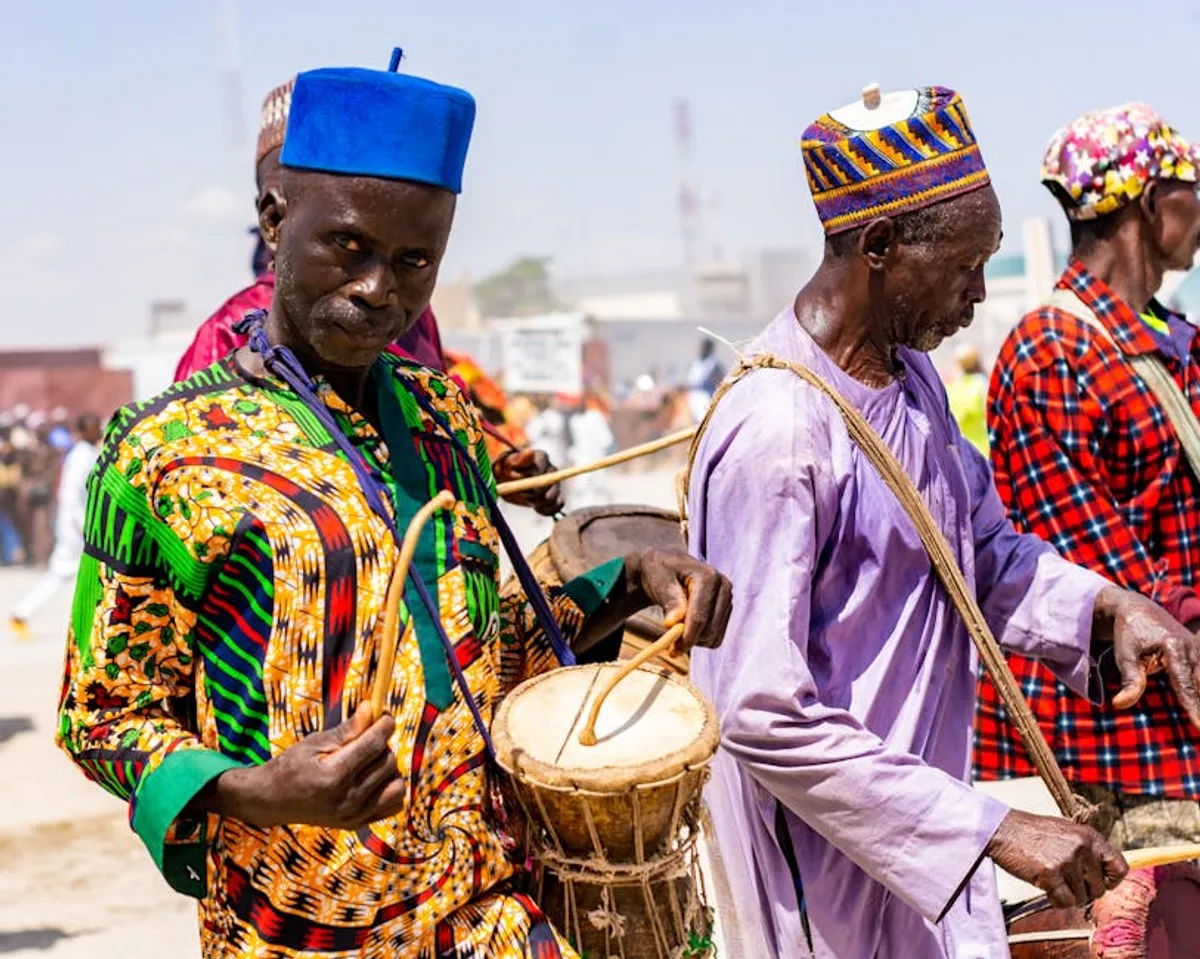
For SEO professionals, marketers, and publishers, understanding the rich narratives embedded within Africa's diverse festival landscape offers a unique avenue for content creation, audience engagement, and brand storytelling. These aren't merely events; they are cultural touchstones, historical chronicles, and vibrant expressions that resonate with specific audiences and provide deep contextual relevance. Leveraging these stories effectively requires an appreciation for their origins, evolution, and contemporary significance, allowing for the development of authentic, high-value content that transcends generic travelogues.
The strategic selection of festival narratives allows content creators to tap into established cultural conversations, attract highly engaged niche audiences, and build authority within specific cultural or travel verticals. Each festival presents a distinct set of themes, visual opportunities, and audience demographics, offering varied commercial applications from educational content to experiential marketing campaigns.
Leveraging Festival Narratives for Content Strategy
Before integrating African festival stories into a content strategy, consider the specific cultural nuances, historical context, and target audience alignment. Authenticity is paramount. Focus on narratives that resonate with your brand's values or your client's objectives, ensuring that the content provides genuine insight rather than superficial representation. Evaluate the festival's global recognition, its media footprint, and the depth of its cultural story to determine its potential for sustained content value. Prioritize festivals with well-documented histories, established cultural significance, and clear opportunities for diverse content formats, from long-form articles and video documentaries to interactive guides and social media campaigns. Ethical considerations regarding cultural representation and community engagement should always guide content development. Prioritize festivals with well-documented histories, established cultural significance, and opportunities for deeper dives into African history.
1. FESPACO (Pan-African Film and Television Festival of Ouagadougou)
Held biennially in Ouagadougou, Burkina Faso, FESPACO is the largest and most prestigious film festival in Africa, dedicated to the promotion of African cinema and filmmakers. Its narrative is a powerful chronicle of African identity, storytelling, and cultural self-representation in the global media landscape. The festival acts as a crucial platform for dialogue, critique, and the celebration of cinematic achievements from across the continent, often addressing socio-political themes relevant to African societies.
Best For: Content strategies focused on film and media studies, cultural identity, socio-political commentary, arts and culture journalism, and global cinema analysis. It appeals to audiences interested in the evolution of African narratives and independent filmmaking.
Pros: Offers a rich archive of cinematic history and critical discourse, providing extensive material for analytical articles, filmmaker interviews, and thematic explorations. Its focus on African perspectives provides a unique counter-narrative to Western-centric media. The biennial nature allows for deep dives into specific editions and long-term content planning.
Cons: Requires a sophisticated understanding of African film history and cultural contexts to avoid superficial analysis. Content may need to be translated or localized for broader appeal, as much of the primary source material might be in French or local languages. The audience can be highly discerning and academic.
Verdict: An essential narrative for content creators aiming to establish authority in African arts and media, offering profound insights into cultural expression and identity through the lens of cinema. Its intellectual depth supports high-value, research-intensive content.
2. Gnaoua World Music Festival
Held annually in Essaouira, Morocco, the Gnaoua World Music Festival is a celebration of Gnaoua music, a spiritual and ritualistic tradition rooted in Sufi brotherhoods and Sub-Saharan African heritage. The festival's narrative centers on the transatlantic slave trade's enduring cultural impact, resilience, and the power of music to heal and connect. It draws global audiences, blending traditional Gnaoua rhythms with contemporary world music, creating a unique cultural fusion experience.
Best For: Content strategies focused on world music, spiritual journeys, cultural fusion, historical narratives of resilience, and niche travel markets seeking authentic cultural immersion. It resonates with audiences interested in ethnomusicology and cross-cultural dialogue.
Pros: Offers a deeply spiritual and visually rich narrative, providing unique angles for documentary-style content, ethnographic studies, and musical explorations. Its blend of ancient tradition with modern influences appeals to diverse demographics, facilitating cross-cultural content opportunities. Strong global recognition among world music aficionados ensures a pre-existing engaged audience.
Cons: Requires careful handling to respect the spiritual and ritualistic origins of Gnaoua culture, avoiding superficial or exploitative portrayals. Content creation may necessitate collaboration with local cultural experts to ensure authenticity and avoid misrepresentation. The niche nature of the music might limit broader mainstream appeal without proper contextualization.
Verdict: An invaluable narrative for content exploring cultural heritage, musical evolution, and spiritual traditions, offering profound storytelling potential when approached with sensitivity and depth. Its unique blend of ancient and modern provides a compelling hook for specialized audiences.
3. Calabar Carnival
Known as "Africa's Biggest Street Party," the Calabar Carnival in Cross River State, Nigeria, is a month-long celebration culminating in vibrant parades, music, and cultural displays. Its narrative is one of spectacle, tourism promotion, and regional identity, showcasing Nigeria's diverse cultural heritage through elaborate costumes, dance, and floats. The carnival aims to boost tourism and foster cultural exchange, portraying a modern, dynamic image of Nigeria.
Best For: Content targeting cultural tourism, event marketing, visual storytelling, and general interest in large-scale public celebrations. Ideal for engaging audiences interested in vibrant cultural spectacle and contemporary African entertainment.
Pros: Provides highly visual content opportunities through parades, costumes, and performances, suitable for photo essays, video logs, and social media campaigns. Its focus on tourism and economic development offers angles for business-oriented content and travel guides. The sheer scale of the event generates significant media attention annually.
Cons: The emphasis on spectacle can sometimes overshadow deeper cultural narratives, requiring deliberate effort to delve beyond surface-level descriptions. Logistical challenges for on-site content creation can be significant due to the event's size and crowd density. Content might risk appearing overly commercial if not balanced with cultural insights.
Verdict: A powerful narrative for brands and publishers seeking to highlight contemporary African dynamism and tourism potential, offering abundant opportunities for engaging, visually driven content with broad appeal.
4. Zanzibar International Film Festival (ZIFF)
Held annually on the island of Zanzibar, Tanzania, ZIFF is East Africa's largest cultural event, celebrating film, music, and arts from Africa, the Middle East, and the Indian subcontinent. Its narrative explores themes of cultural exchange, identity in a globalized world, and the unique heritage of the Swahili Coast. ZIFF serves as a crucial bridge between diverse cultures, fostering dialogue and artistic collaboration, reflecting Zanzibar's historical role as a trading hub.
Best For: Content focused on East African culture, global cinema, cultural exchange initiatives, island tourism, and the intersection of history and contemporary arts. Appeals to audiences interested in cross-cultural dialogue and emerging cinematic voices.
Pros: Offers a rich tapestry of cultural narratives from a unique geographical and historical vantage point, providing diverse content angles. Its focus on film and music ensures a steady stream of artistic talent and compelling stories. The picturesque setting of Zanzibar enhances visual content appeal, attracting travel and lifestyle audiences.
Cons: The festival's broad geographical focus might require content to maintain a clear thematic thread to avoid becoming diffuse. Some content may require a nuanced understanding of post-colonial narratives and regional politics. Less mainstream recognition compared to larger global film festivals might necessitate more introductory context for new audiences.
Verdict: An excellent narrative for content exploring cultural synthesis, artistic expression in East Africa, and the unique identity of the Swahili Coast, offering both intellectual depth and aesthetic appeal.
5. Felabration
Felabration is an annual music festival held in Lagos, Nigeria, dedicated to celebrating the life and legacy of Afrobeat pioneer Fela Anikulapo Kuti. Its narrative is a powerful exploration of music as a tool for social commentary, political resistance, and cultural identity. The festival features performances by various artists, lectures, and debates, all centered around Fela's enduring influence on music, politics, and Pan-Africanism.
Best For: Content strategies focused on music history, political activism, cultural icons, Pan-African studies, and the evolution of Afrobeat. Ideal for audiences interested in the intersection of music and social change.
Pros: Provides a compelling narrative rooted in a globally recognized musical genre and a legendary figure, offering strong hooks for engagement. The festival's focus on social justice and political themes allows for content that is both entertaining and thought-provoking. Rich archival material and ongoing discussions provide continuous content opportunities.
Cons: Requires a deep understanding of Nigerian political history and Fela Kuti's complex legacy to avoid oversimplification or misinterpretation. Content might need to navigate sensitive topics related to colonialism, corruption, and social inequality. The highly specific focus might limit appeal to a broader general audience without careful contextualization.
Verdict: A vital narrative for content exploring the power of music in social movements and the enduring impact of cultural icons, offering a unique blend of entertainment, history, and political discourse.
6. Lake of Stars Festival
Set on the shores of Lake Malawi, the Lake of Stars Festival is an annual international music and arts festival with a strong emphasis on cultural exchange and community development. Its narrative blends vibrant musical performances with a commitment to showcasing Malawian talent, promoting tourism, and supporting local initiatives. The festival often highlights environmental conservation and sustainable development efforts, positioning itself as more than just an entertainment event.
Best For: Content focused on ethical tourism, music festivals with a social impact, cultural exchange, and environmental awareness. Appeals to audiences interested in responsible travel, emerging artists, and community-driven projects.
Pros: Offers a feel-good narrative centered on positive social impact, providing angles for CSR-focused content and stories about sustainable development. The picturesque location offers stunning visual content opportunities, appealing to travel and lifestyle audiences. Its blend of international and local artists provides diverse musical content.
Cons: Less globally recognized than some other festivals, requiring more introductory content to build audience awareness. The focus on development might necessitate careful research to ensure claims of impact are substantiated. Content might need to balance entertainment value with its social mission effectively.
Verdict: An excellent narrative for content exploring music, tourism, and sustainable development in Africa, offering a positive and inspiring story with strong visual appeal and opportunities for impact-driven storytelling.
7. Sauti za Busara
Sauti za Busara, meaning "Sounds of Wisdom" in Swahili, is an annual music festival held in Stone Town, Zanzibar. It focuses exclusively on showcasing African music, particularly traditional and contemporary sounds from the continent. Its narrative is one of cultural preservation, celebrating the diversity of African musical heritage, and providing a platform for artists to share their "sounds of wisdom" with a global audience. The festival champions musical authenticity and cultural pride.
Best For: Content strategies focused on African music genres, cultural preservation, ethnomusicology, and the promotion of indigenous arts. Appeals to music enthusiasts, cultural researchers, and travelers seeking authentic musical experiences.
Pros: Offers a deep dive into the diverse soundscapes of Africa, providing rich material for musical analysis, artist profiles, and cultural explorations. Its commitment to authenticity ensures high-quality, culturally significant content. The setting in historic Stone Town adds a unique atmospheric element to visual content.
Cons: The emphasis on traditional and niche African music might have a narrower appeal compared to more mainstream festivals. Content creation may require a strong understanding of various African musical traditions to provide accurate and insightful commentary. Marketing might need to focus on educating audiences about the richness of African music. Marketing might need to focus on educating audiences about the richness of African music, perhaps by exploring diverse African music genres.
Verdict: A powerful narrative for content dedicated to preserving and celebrating African musical heritage, offering invaluable insights into the continent's diverse sound traditions and their cultural significance.
8. National Arts Festival (South Africa)
Held annually in Makhanda (formerly Grahamstown), South Africa, the National Arts Festival is the largest and most comprehensive celebration of the arts on the African continent. Its narrative is one of artistic freedom, cultural dialogue, and providing a platform for both established and emerging talent across all disciplines—theatre, dance, music, visual arts, and literature. It plays a significant role in post-apartheid cultural expression and reconciliation.
Best For: Content strategies focused on multidisciplinary arts, cultural criticism, South African cultural identity, and platforms for emerging artists. Appeals to a broad audience interested in contemporary arts, social commentary, and cultural development.
Pros: Offers an exceptionally broad range of artistic content, providing diverse angles for reviews, interviews, and thematic explorations across different art forms. Its history and significance in post-apartheid South Africa provide deep contextual layers for meaningful content. The festival's scale ensures a constant flow of new performances and discussions.
Cons: The sheer volume of events can be overwhelming, requiring careful curation for content creation to maintain focus. Content might need to address complex socio-political issues inherent in South African arts. The festival's local name change (Grahamstown to Makhanda) might require careful explanation for international audiences.
Verdict: An indispensable narrative for content exploring the breadth and depth of African artistic expression, offering unparalleled opportunities for cultural critique, artist promotion, and engagement with contemporary social issues through art.
9. Cape Town International Jazz Festival
The Cape Town International Jazz Festival is one of the premier music events on the African continent, attracting international and local jazz artists. Its narrative is one of musical excellence, cultural fusion, and economic impact, positioning Cape Town as a global cultural hub. The festival celebrates the rich history of jazz while embracing contemporary sounds, fostering collaboration between diverse musical traditions.
Best For: Content strategies focused on jazz music, cultural tourism, international music events, and the cultural landscape of South Africa. Appeals to jazz aficionados, music travelers, and those interested in urban cultural development.
Pros: Features world-renowned artists, ensuring high-profile content opportunities and strong audience interest. Its blend of international and local talent provides unique angles for exploring musical fusion and cultural exchange. The festival's urban setting offers additional lifestyle and travel content possibilities.
Cons: The focus on jazz might limit broader appeal compared to more eclectic music festivals, requiring content to specifically target jazz enthusiasts. Competition for media coverage can be high due to its prominence. Content might need to differentiate from general jazz festival coverage by emphasizing its unique South African context.
Verdict: A strong narrative for content exploring the global reach and local adaptation of jazz, offering high-quality musical content and insights into South Africa's vibrant urban culture and tourism appeal.
10. Festival International de Jazz de Saint-Louis
Held in the historic city of Saint-Louis, Senegal, this jazz festival is one of the oldest and most respected jazz events in West Africa. Its narrative is deeply intertwined with the city's colonial history, its status as a UNESCO World Heritage site, and its ongoing role as a cultural crossroads. The festival showcases both African and international jazz musicians, fostering a unique blend of traditions within a historically significant urban landscape.
Best For: Content focused on West African culture, jazz history, UNESCO World Heritage sites, and cultural tourism in Senegal. Appeals to audiences interested in the historical roots of jazz and the cultural heritage of West Africa.
Pros: Offers a compelling narrative that combines musical excellence with rich historical and architectural context, providing diverse content angles. The unique setting of Saint-Louis enhances visual storytelling and offers opportunities for historical and travel content. Its long-standing reputation lends credibility and attracts dedicated jazz audiences.
Cons: May have less global mainstream recognition compared to larger international jazz festivals, requiring more contextualization for new audiences. Content might need to carefully balance the musical focus with the historical and cultural aspects of Saint-Louis. Logistical challenges in a historic city might impact on-site content creation.
Verdict: An exceptional narrative for content exploring the historical and cultural dimensions of jazz in West Africa, offering a unique blend of musical heritage, architectural beauty, and cultural dialogue.
11. Fête des Masques (Mask Festival)
Various mask festivals occur across West Africa, particularly in Burkina Faso (e.g., Fête des Masques de Dédougou, Festival International des Masques et des Arts de Dédougou - FESTIMA). These festivals celebrate traditional